The builder's own engineering
We are the manufacturer's own U.S. representative, so the engineering answers come from the people who build the machine and you reach them through one number.

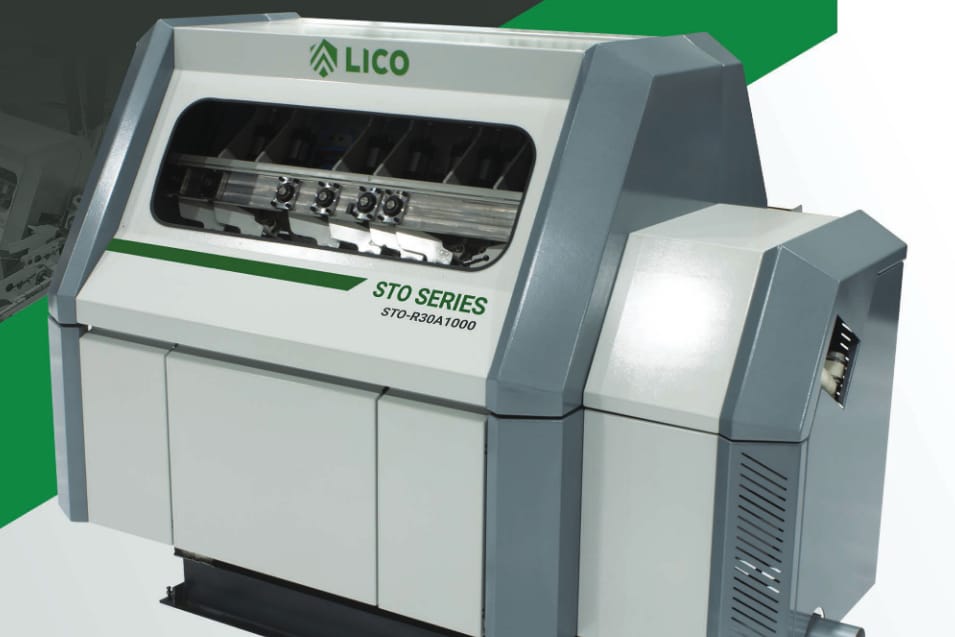
The Lico bin sorter stores ripped strips and short pieces in transportable bins at up to 140 pieces per minute, with up to 50 simultaneous sorts and integrated trim saws on both wood lines.
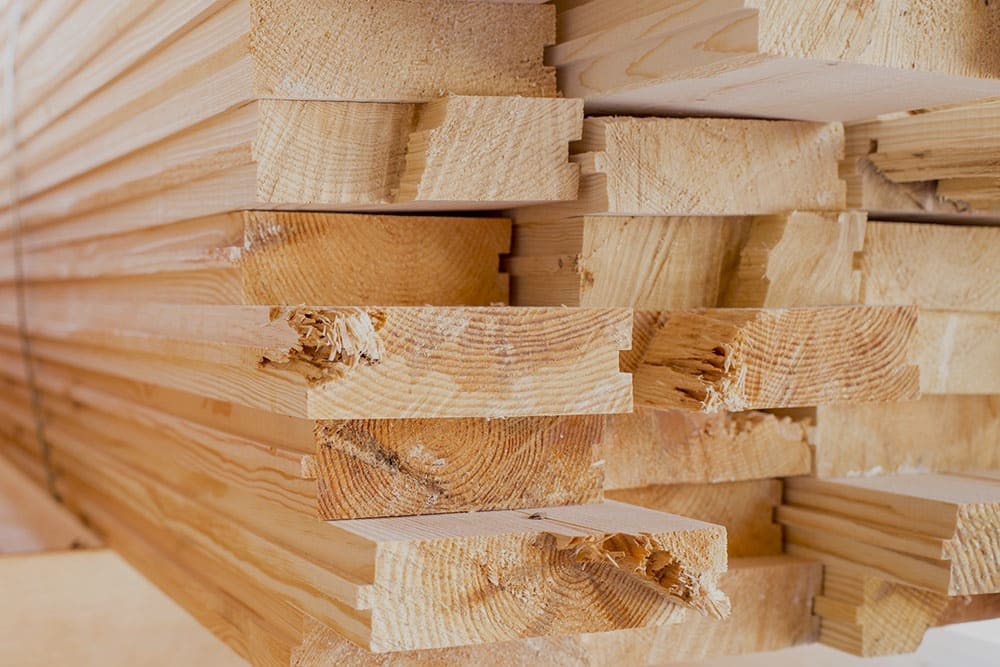
In most flooring plants, strips coming off defect removal get stacked by hand, moved, and unstacked again at the flooring line. The Lico bin sorter takes that loop out by making the storage container and the transport container the same object: pieces sort directly into transportable bins at up to 140 pieces per minute, the bin goes to the flooring line, and the material feeds from it. Count the operations: stack, move, unstack becomes fill, move, feed.
That matters more than a labor line on a quote, because every piece that gets stacked has had floor space, handling and inventory spent on it before anyone finds out whether it was worth keeping. Sorting at the point of defect removal spends that effort only on material that earned it.
Up to 50 sorts can run at once, and flooring is the application that uses them all. It is a fixed-width, random-length product, so the first split is by length bucket. Then grade splits it again, and color splits it again after that, and those categories multiply. A plant selling a color-sorted product finds the combinations quickly.
The sorter itself is executing decisions made upstream. The scanner and optimizer ahead of it decide what each piece is, and the bin sorter is the machine that makes that decision physical, which is why the two get quoted together more often than not. Lico's published note on the bins is that contents stay level as they fill, and that is aimed squarely at short pieces, which are the ones that arrive disordered and cost you again at the re-feed. Integrated trim saws on both wood lines square pieces inside the same flow, closing one more manual station.
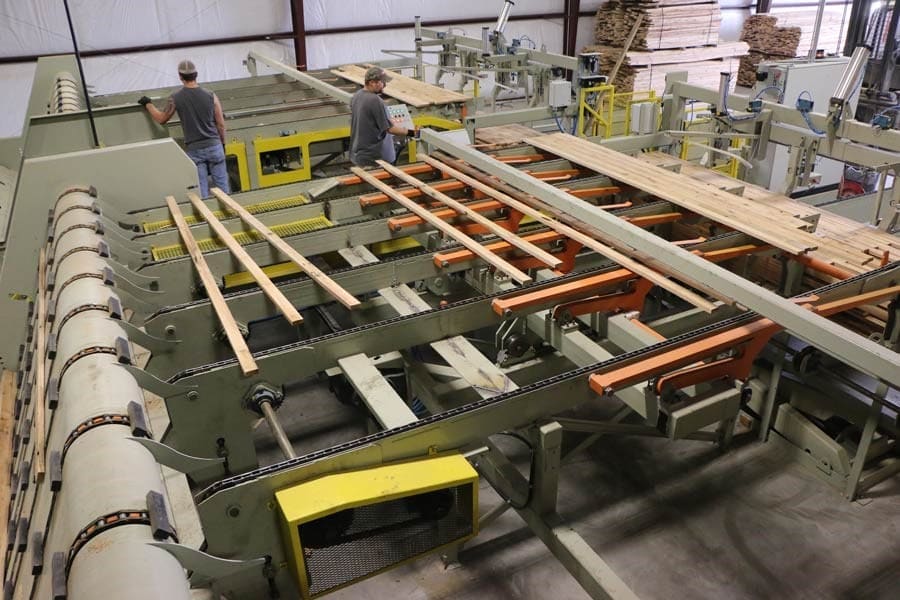
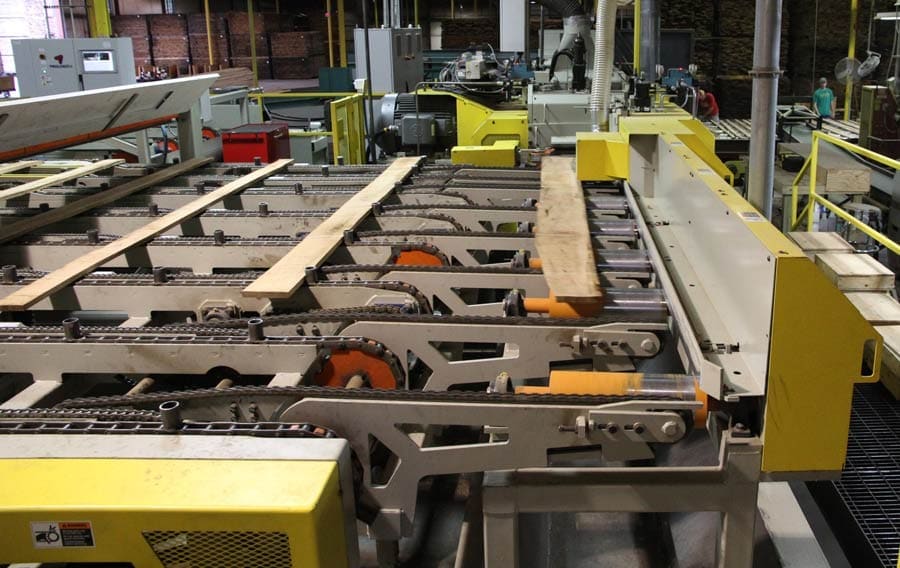
Two things decide whether this machine fits, and neither is on a spec sheet. The first is floor space: 50 bins have to physically exist somewhere, and the practical ceiling on sorts is usually the building. The second is the rate of the machine feeding it, because a sorter that cannot keep up with defect removal simply moves the queue rather than removing it. Lico builds both ends of that handoff, so the rate matching is something we can quote as one line, which saves you reconciling two vendors' numbers.
Beyond the sort count and the piece rate, Lico does not publish bin dimensions or capacities for this machine, because they are configured per plant. If you need those numbers to plan a layout, we will get them from Lico for your configuration. There is no standard to quote you.
| Sorting speed | Up to 140 pieces per minute |
|---|---|
| Simultaneous sorts | Up to 50 |
| Bins | Transportable; level bin contents for short-piece management |
| Trim saws | Integrated on both wood lines |
| Function | Stores ripped strips and short pieces so operators skip manual stacking before re-feeding the flooring line |
Specifications vary by configuration. Every line is engineered to the mill, so request numbers for your application.
Mills rarely buy one machine. These are the systems that most often go in with a optimized bin sorter, and quoting them together is how the handoffs get engineered before anyone orders steel.
We are the manufacturer's own U.S. representative, so the engineering answers come from the people who build the machine and you reach them through one number.
We quote and support installations across the United States, from the Southeast to the Pacific Northwest.
Ripping, edging, scanning, sorting, stacking and waste handling on one quote, with the handoffs between them worked out before you order.
After defect removal, flooring plants traditionally stack strips by hand before re-feeding the line. The bin sorter stores pieces directly into transportable bins instead, so operators skip the manual stacking step entirely.
Up to 140 pieces per minute across up to 50 simultaneous sorts.
Because flooring sorts multiply. A line running fixed widths and random lengths separates by length bucket, and then again by grade and by color, and those categories combine rather than add. Fifty is what a color-sorted flooring product asks for once you count the combinations.
Bin contents stay level as they fill, which is what makes short-piece management workable, and integrated trim saws on both wood lines square pieces as part of the flow.
Lico publishes the sort count and the piece rate but not bin dimensions or capacity, because both are configured to the plant. Worth knowing early, because the practical limit on how many sorts you can use is usually floor space.
Bins are transportable by design: fill, move to the flooring line, and feed. The bin replaces both the stack and the stacking labor.
Sizing, options, budget numbers and lead times, in one conversation.