The builder's own engineering
We are the manufacturer's own U.S. representative, so the engineering answers come from the people who build the machine and you reach them through one number.

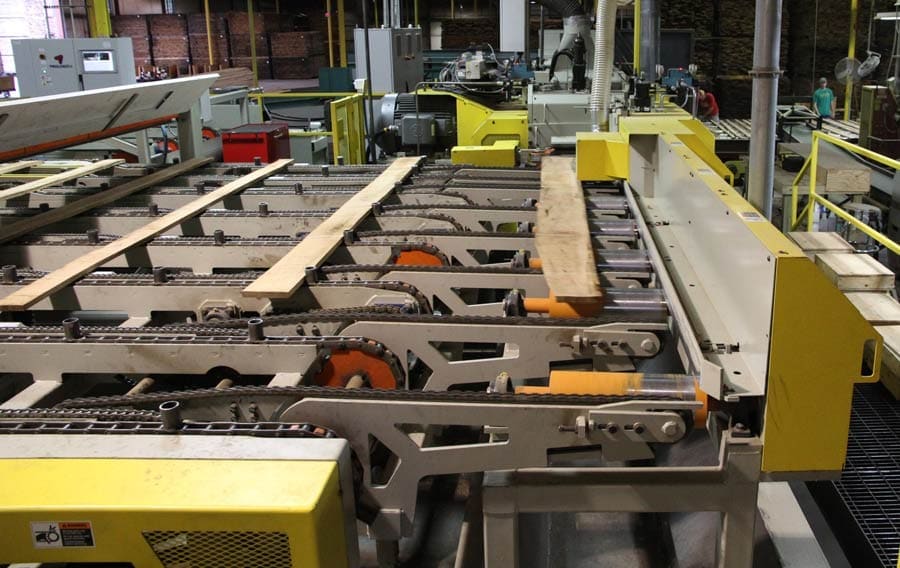
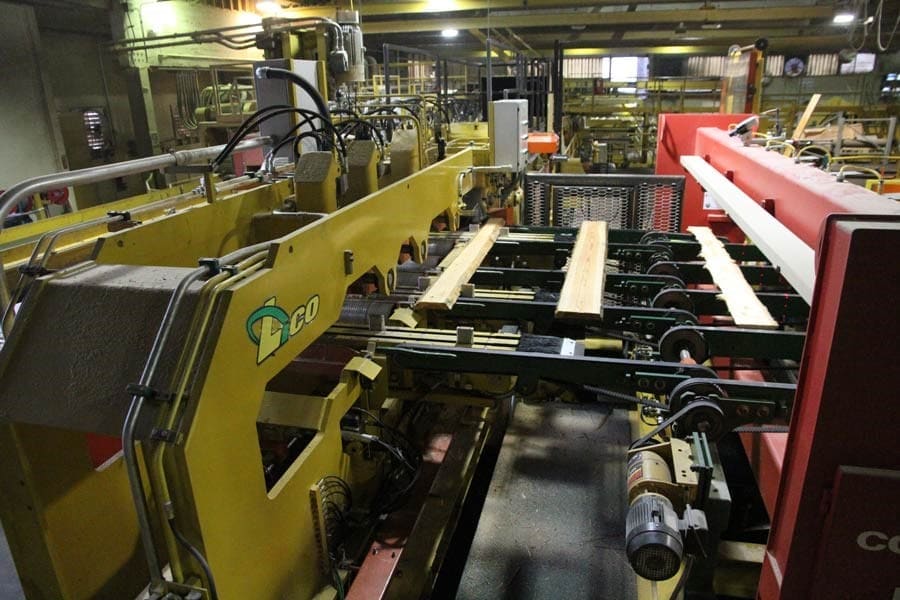
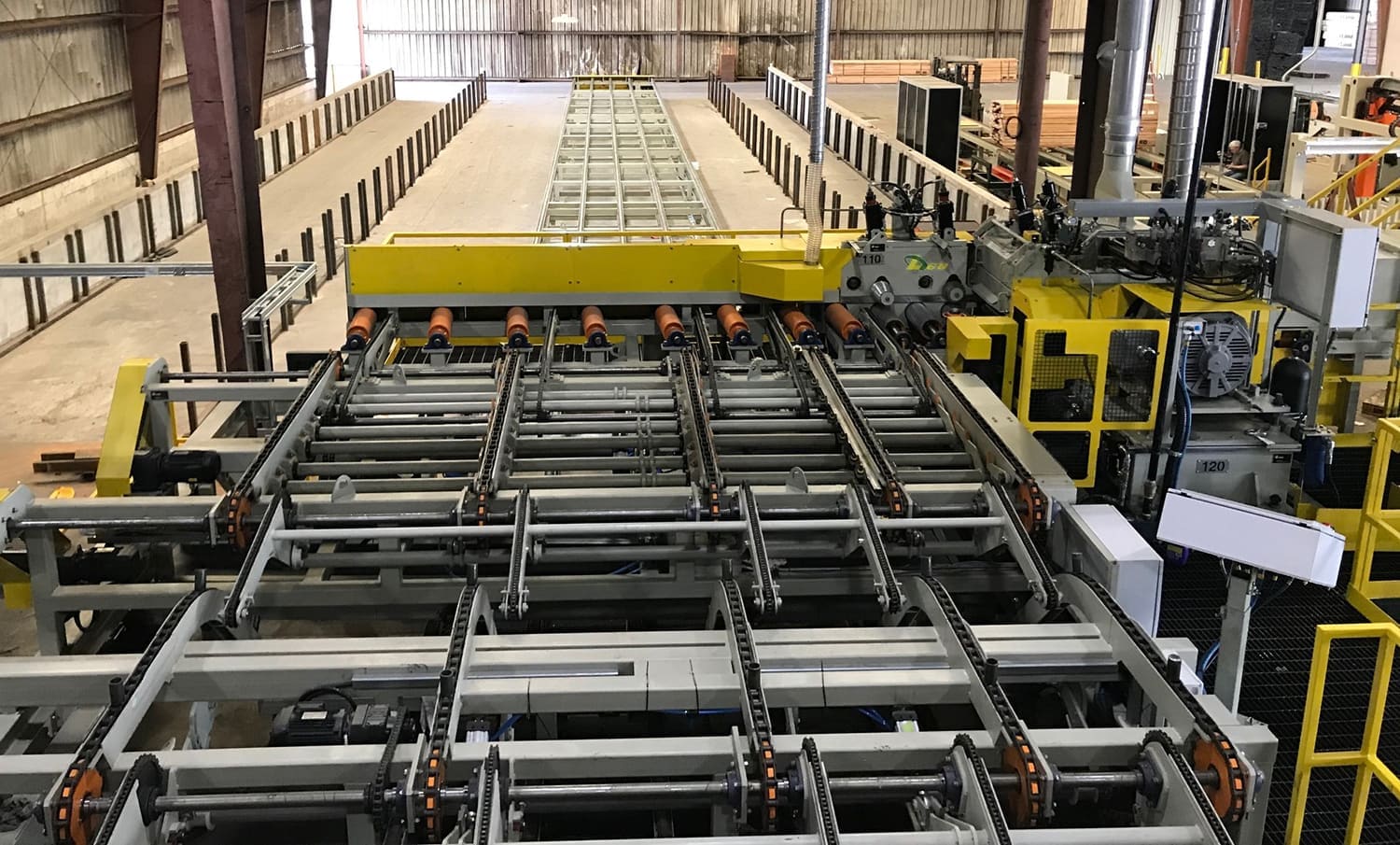
Since 1993, Lico has designed and built one-off machines for problems no catalog covers: small-log breakdown, fence manufacturing, specialty sorting, and material handling. Several of those custom builds became catalog products.
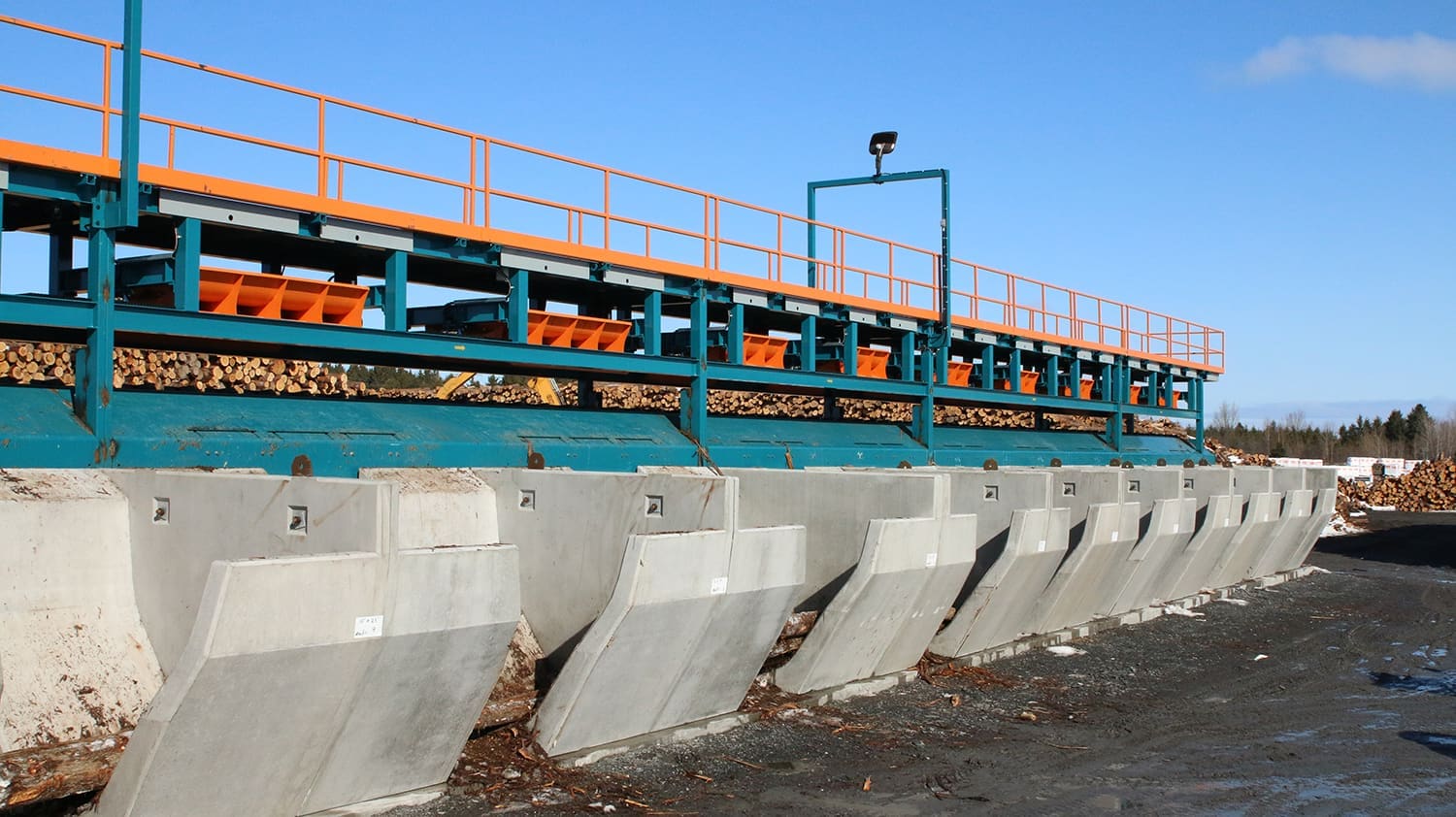
Some of Lico's best-known machines started as one customer's unusual problem. The ADM high-speed optimized edger began as a custom build and became a catalog product line. That is the pattern: design the machine the process needs, prove it in production, and keep what works.
The range of past projects is wide because the method travels: high-speed secondary breakdown for small logs, fence manufacturing equipment, slate sorting systems, and handling equipment for PVC extrusion, alongside unique edgers and gangs built around specific mill constraints. Confidentiality is the default, and project details stay private unless both sides agree otherwise, which is why the public list is shorter than the actual one.
Most people arrive at this page having already priced a new machine and a used one. It is worth knowing what the used market is actually telling you. Asking prices we verified for one brand of gang rip saw ran from about $280,250 for a 2016 machine down to about $10,800 for 1970s iron. That is roughly a twenty-fold spread on machines doing the same job, and what moves it is the vintage of the controls rather than the size of the steel. Those are prices sellers were asking and what changed hands may well have been less, but the ladder is the useful part, and it points somewhere specific: the optimizer is the asset.
That opens a third option, one the trade press reports mills taking regularly and one a rep is well placed to organize. If the frame, the arbors and the drives on a machine you already own are sound, the custom work is the controls, the scanning and the optimization. The iron stays. One mill put its reasoning plainly: they knew they already had a good machine, and decided a few modifications and updated optimization would be money well spent.
Obsolescence is a legitimate reason to start this conversation, and a more common one than yield. Mills upgrade to make sure a system stays supportable, because parts are getting difficult or nobody left can program the controls, and the recovery improvement arrives afterwards as a bonus nobody had budgeted for. If that is where you are, say so. It changes what we would propose.
Custom work starts with the problem, and four things make the difference between a conversation and a quote. What the material is and what condition it arrives in. What rates you need to hold, and whether that is a shift number or a peak number. What physical constraint you are working inside, meaning footprint, height, existing foundations and where material has to enter and leave. And what the controls on that line are today, because that determines whether this is a machine project or a controls project.
Bring those and we will set up the engineering conversation with Lico directly. Design and fabrication happen in the same building in Saint-Georges, so the people who draw it are the people who build it, and questions reach the person who made the decision.
One thing we will not do is quote you a lead time before the scope exists. Order-to-delivery figures are genuinely unpublished across this industry, and a number invented to sound reassuring is worth nothing when you are planning a shutdown around it.
| Examples | High-speed small-log secondary breakdown, fence manufacturing equipment, slate sorting, PVC extrusion handling, unique edgers and gangs |
|---|---|
| Track record | Several custom builds, including the ADM high-speed optimized edger, became catalog products |
| Confidentiality | Project details stay confidential absent mutual consent |
Specifications vary by configuration. Every line is engineered to the mill, so request numbers for your application.
Mills rarely buy one machine. These are the systems that most often go in with a optimized custom designs, and quoting them together is how the handoffs get engineered before anyone orders steel.
We are the manufacturer's own U.S. representative, so the engineering answers come from the people who build the machine and you reach them through one number.
We quote and support installations across the United States, from the Southeast to the Pacific Northwest.
Ripping, edging, scanning, sorting, stacking and waste handling on one quote, with the handoffs between them worked out before you order.
Publicly shareable examples include high-speed small-log secondary breakdown, fence manufacturing equipment, slate sorting, PVC extrusion handling, and unique edgers and gangs. Many projects cannot be named because details stay confidential.
That is worth asking about before you price a replacement. Where the iron is sound and the controls are the constraint, updating the controls and optimization on existing equipment is a route the industry takes regularly, and it is usually the cheapest way to buy back capability.
Yes. Lico's standing policy is that project details stay confidential unless both parties agree to share them, which is also why the public example list is shorter than the actual one.
Lico's in-house team of designers, engineers, and fabricators in Saint-Georges, Quebec. Design and fabrication happen in the same building, so the machine that ships was built by the people who drew it.
The material and its condition, the rates you need to hold, the physical constraint you are working inside (footprint, height, existing foundations, where the material enters and leaves), and what the controls on that line are now. That is enough to put an engineering conversation on solid ground.
We will not quote a lead time before Lico has seen the scope. Order-to-delivery figures are not published anywhere in this industry, and a number invented to sound reassuring is worth nothing to you when you are planning a shutdown.
Sizing, options, budget numbers and lead times, in one conversation.