The builder's own engineering
We are the manufacturer's own U.S. representative, so the engineering answers come from the people who build the machine and you reach them through one number.

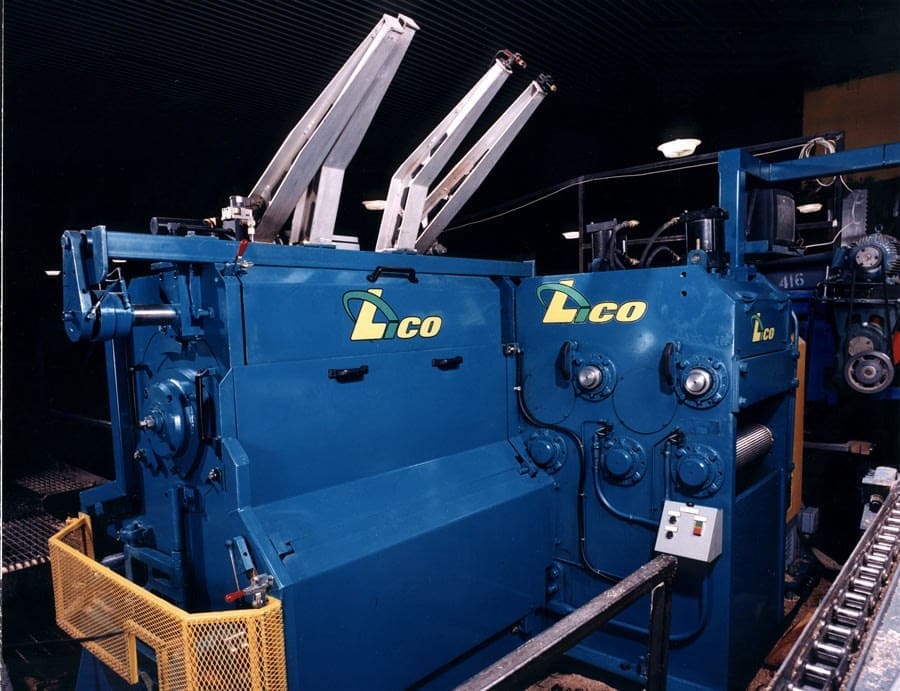
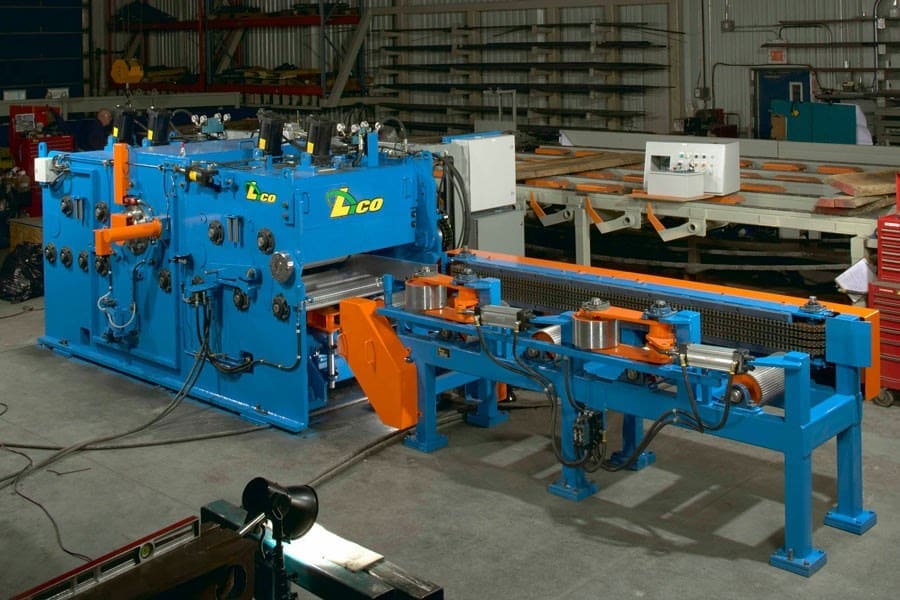
Lico DEB Series gang edgers cover everything from manual-infeed standard gangs to fully automatic optimized lines, at feed speeds from 60 to 600 feet per minute and drive power up to dual 300 HP arbors.
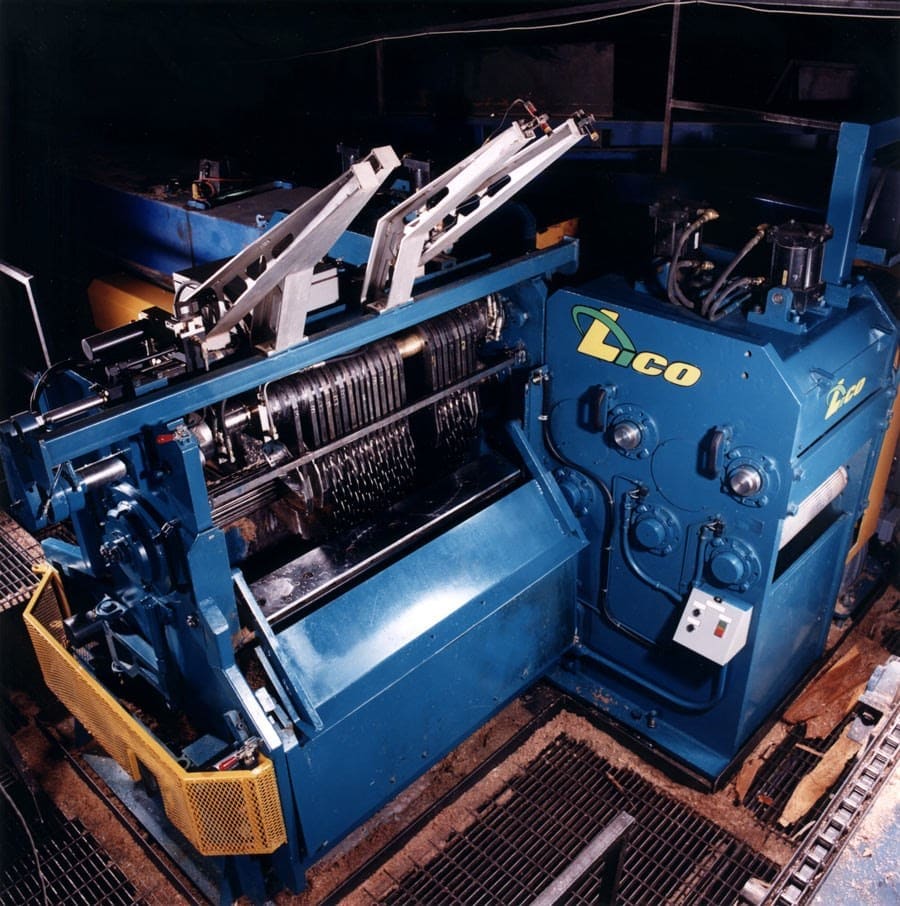
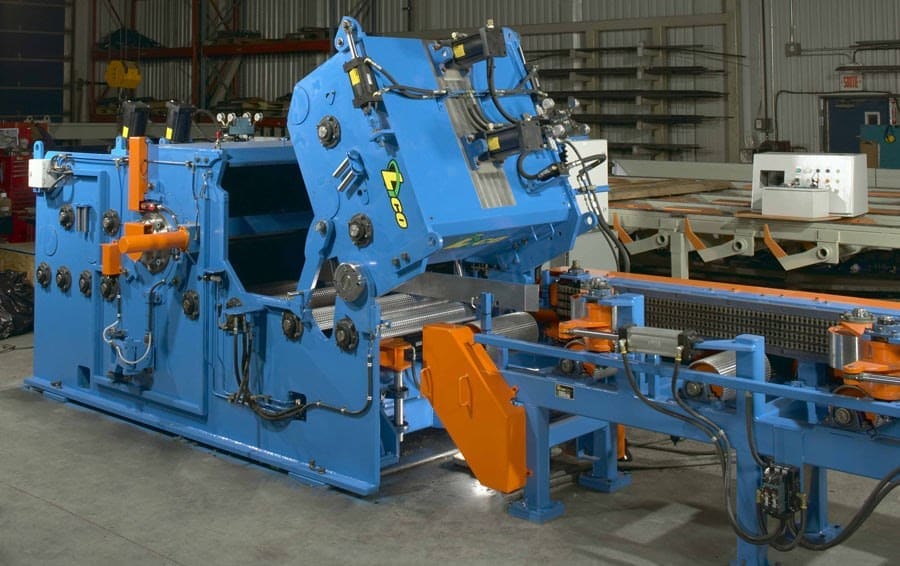
The DEB Series is a configurable platform rather than a single machine. Mills choose arbor placement (top, bottom, or double), blade strategy (moving blades, moving clusters, or both), and saw guidance (guided or strobe), then pair the gang with an infeed running anywhere from manual to fully automatic with optimization.
Feed speeds cover 60 to 600 feet per minute across those configurations. That is a wide envelope, and it is worth reading it as one: what you actually hold depends on species, cant thickness and how many saws are in the cut at once, which is also what sets how much of the drive you need, up to the dual 300 HP arbor configuration. Power on a gang is not about running the wood faster so much as about not losing feed speed when the cut gets deep.
These two machines get compared as though they were alternatives, and they are answering different questions. A gang takes a cant or several boards through in a single pass, so it is a breakdown machine sized on volume. A board edger takes one flitch at a time, which is what lets it make a separate decision for every piece, so it is a recovery machine sized on grade. A mill running consistent cants to a consistent product gets more out of the gang. A mill living on what it can pull out of variable hardwood flitches gets more out of the single-piece machine, and a good number of mills end up with a gang behind the resaw and a board edger on the flitches.
That distinction is also how to think about the optimized infeed option. The older industry work on edger optimization put the recovery gain at roughly 6 to 8 percent at the edger generally, and 10 to 18 percent on boards going through the edger in hardwood mills specifically. Those figures predate current scanning, so treat them as indicative, but the shape of the answer is the point: the wider your material varies, the more a fixed saw pattern costs you, and hardwood varies.
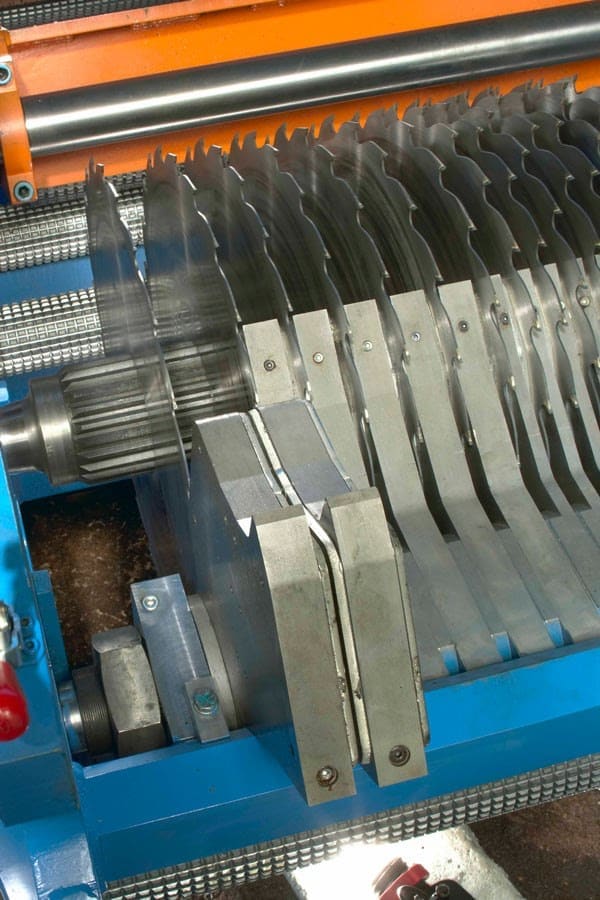
Saw guides are the reference the blade runs against, and sawdust is abrasive, so guides are a wear part that quietly takes cut accuracy with them as they go. Lico hardens the DEB guides to 55 to 60 RC and carries the fixed and movable guides on a common support axis with a hydraulic locking system, which is what keeps a blade change a setting job. Lubrication is pressurized and each saw cluster runs its own independent lubrication circuit and safety system.
Special formats are covered without leaving the platform. Short-lumber gangs handle cants down to 36 inches, and cassette gangs turn a pattern change into a swap. Bring us the constraint. Between the standard, short-lumber and cassette gangs there is usually a configuration that fits, and where there is not, Lico builds one.
| Feed speed | 60 to 600 ft/min |
|---|---|
| Infeed | Manual to fully automatic; optimized or non-optimized |
| Arbors | Top, bottom, or double arbor; fixed or movable |
| Drive | Up to dual 300 HP arbors |
| Blades | Moving blades, moving clusters, or both; guided or strobe saws |
| Blade locking | Hydraulic locking system; fixed and movable guides on a common support axis |
| Feed rolls | Chromed; 10 in / 12 in upper, 5 in / 6 in lower |
| Configurations | Standard gangs with or without clam shell, short-lumber gangs (36 in+ cants), cassette gangs |
| Cut depth | Variable depth of cut; pressurized lubrication; alarm and diagnostic display |
| Species | Designed for softwood and hardwood |
| Guide hardness | Steel guides hardened to 55 to 60 RC |
| Saw clusters | Fixed or movable saw clusters |
| Sawing patterns | Very broad versatility of sawing patterns |
| Frame | Heavy-duty welded steel frame with machined housing for pilot bearings |
| Saw arbor | Hardened steel spline saw arbor and jackshaft for high power capacity (2 x 300 HP) |
| Feed roll surface | Chromed feeding rolls with self-cleaning diamond head profile |
| Feed roll drive | Electric feed rolls driven by gear belts |
| Bearings | Conical roller bearings with waterproof seals and centralized lubrication |
| Lubrication | Pressurized water and oil lubrication; independent lubrication circuit and safety system for each saw cluster |
| Press rolls | Integrated line bar and lateral press roll available |
| Pneumatics and hydraulics | Pneumatic piping mounted with hydraulic components; high quality mechanical components |
| Operator console | User-friendly operation of the positioning console |
| Diagnostics | An alarm display identifies the reason for machine shutdown, reducing downtime |
| Sawdust protection | Sawdust protector plates |
| Sensors and wiring | All sensors are connected to junction boxes mounted on the machine |
| Outfeed | Outfeed material handling systems available |
Specifications vary by configuration. Every line is engineered to the mill, so request numbers for your application.

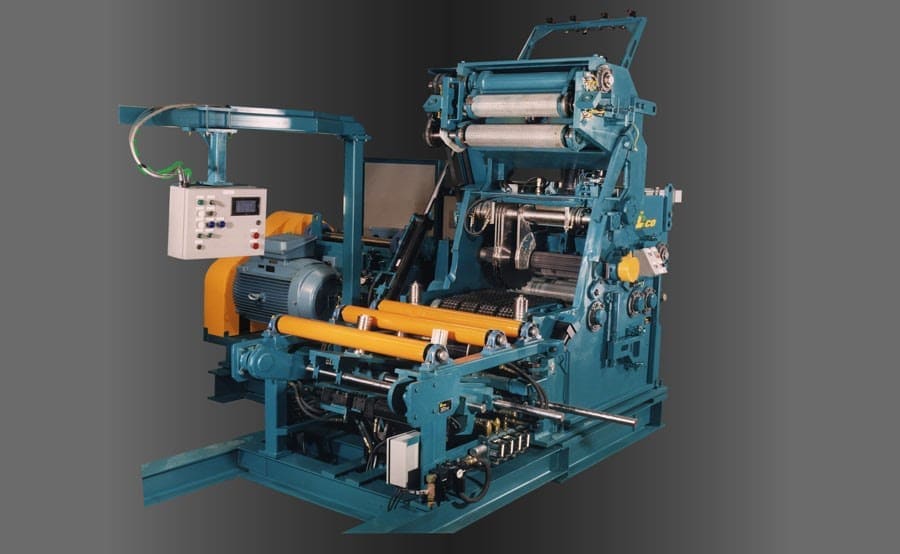
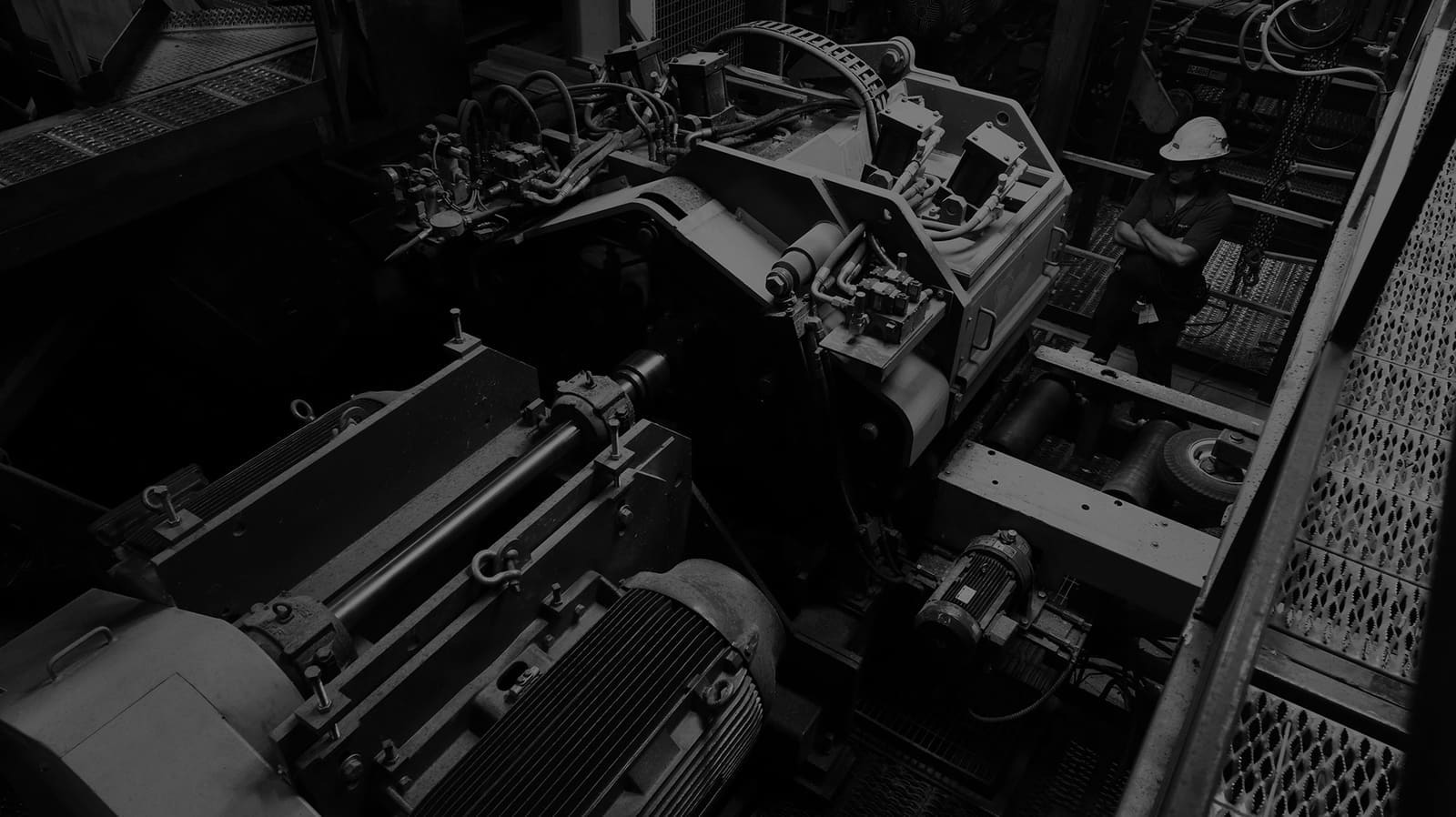
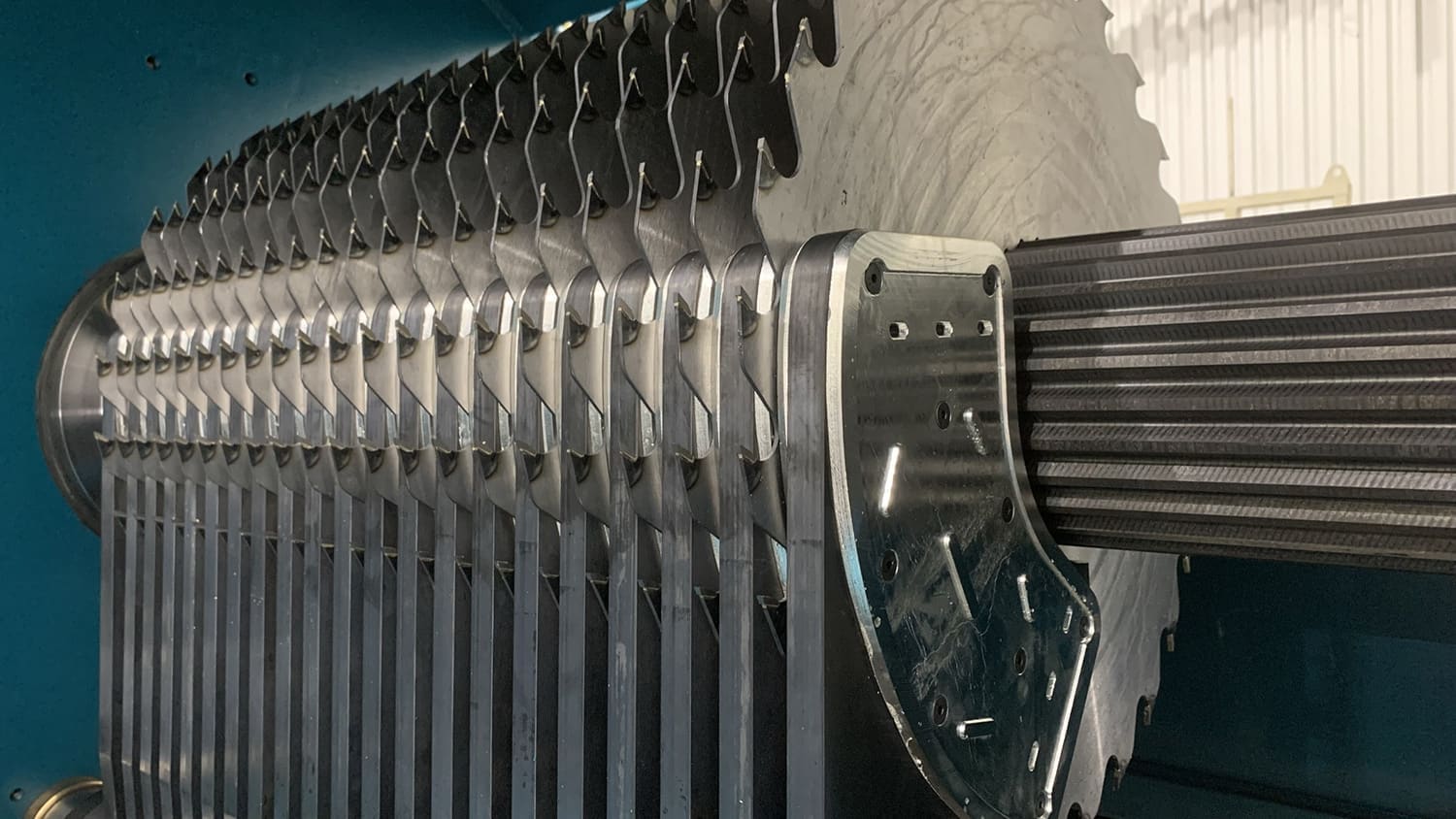
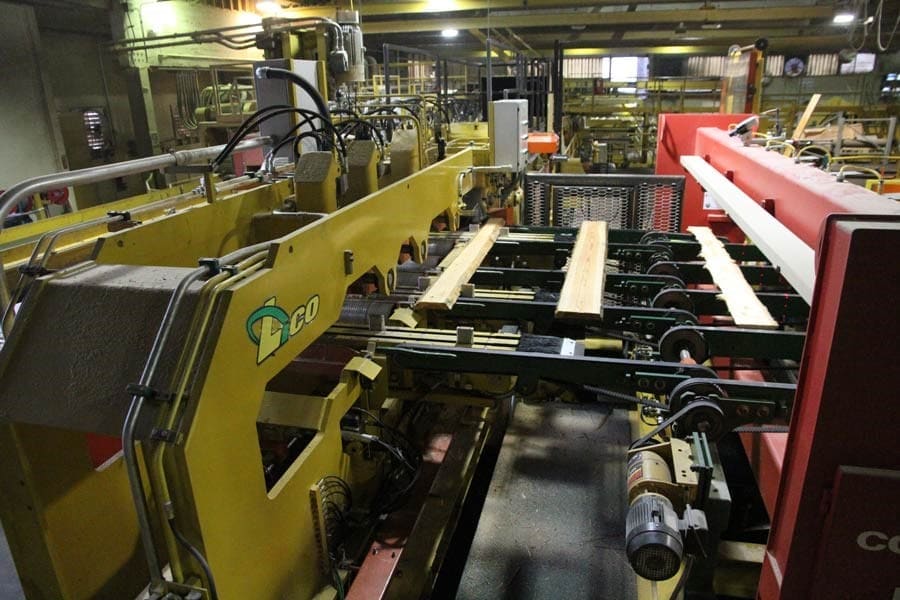
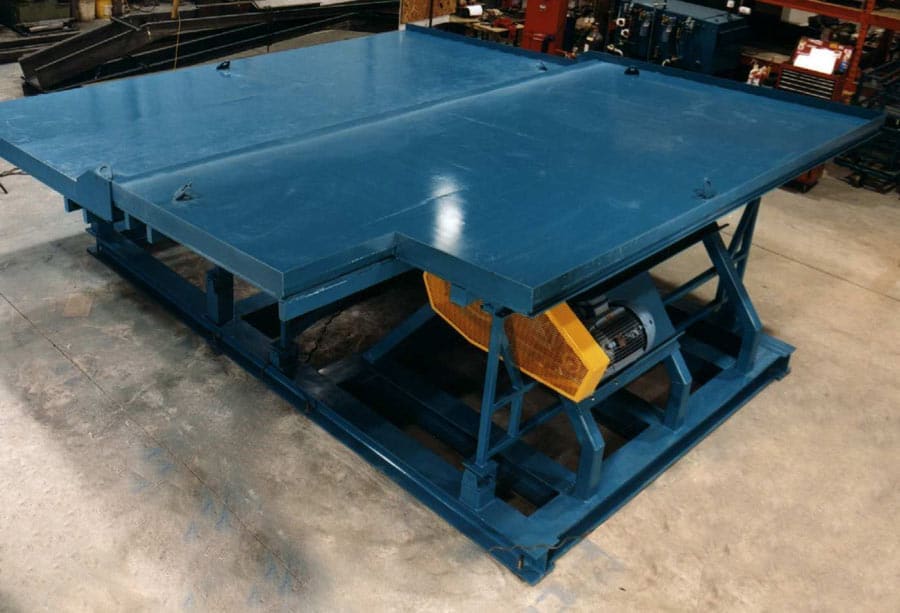
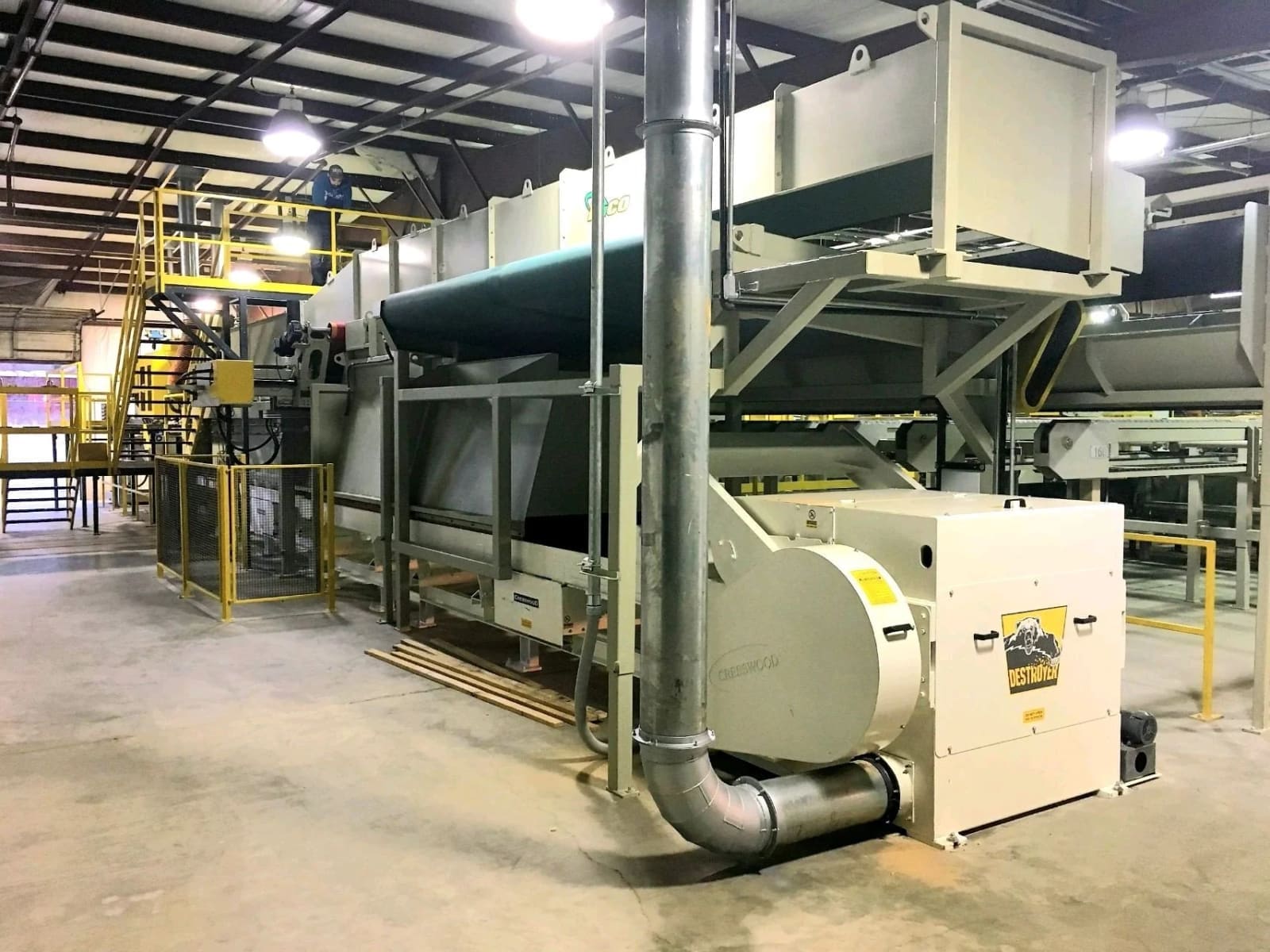
Mills rarely buy one machine. These are the systems that most often go in with a optimized gang edgers, and quoting them together is how the handoffs get engineered before anyone orders steel.
We are the manufacturer's own U.S. representative, so the engineering answers come from the people who build the machine and you reach them through one number.
We quote and support installations across the United States, from the Southeast to the Pacific Northwest.
Ripping, edging, scanning, sorting, stacking and waste handling on one quote, with the handoffs between them worked out before you order.
Standard gangs with or without clam shell, short-lumber gangs for cants from 36 inches, and cassette gangs. Arbors can be top, bottom, or double, with moving blades, moving clusters, or both, and guided or strobe saws.
Feed speeds range from 60 to 600 feet per minute depending on configuration, with manual through fully automatic infeeds, optimized or non-optimized. The achievable speed on your material depends on species, cant thickness and how many saws are in the cut, so treat the range as an envelope rather than a rating.
Lico builds it both ways. Optimization pays where the material varies enough that a fixed pattern leaves money in the cant, which is most hardwood. Where you run consistent cants to a consistent product, a non-optimized gang does the same job for less money. It is worth deciding this before the arbor and blade configuration, because it changes the infeed.
A gang takes a cant or several boards through in one pass, so it is a breakdown machine. A board edger takes one flitch at a time and makes a separate decision for each piece, so it is a recovery machine. Plenty of mills run both, and we can quote them together.
A hydraulic locking system holds fixed and movable guides on a common support axis, with variable depth of cut and pressurized lubrication. An alarm and diagnostic display identifies the reason for a shutdown.
Up to dual 300 HP arbors on a hardened steel spline saw arbor and jackshaft, with chromed feed rolls at 10 or 12 inches on top and 5 or 6 inches below.
Sizing, options, budget numbers and lead times, in one conversation.